
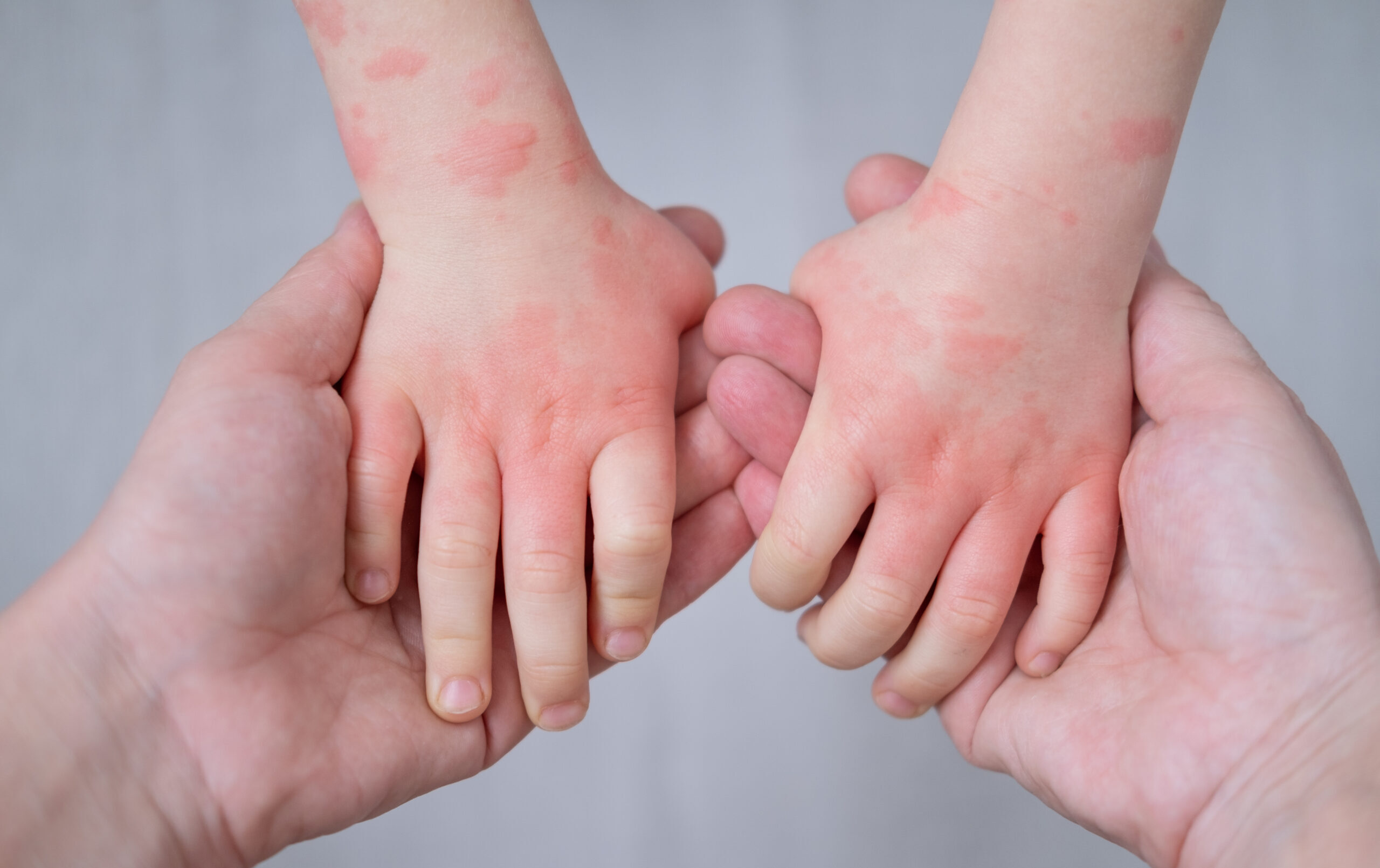
Long-Term Relief Starts Here
Care built for consistency.
White Rock Dermatology is proficient in the handling and treatment of various Chronic Conditions with your skin. Our board certified dermatologists have seen and treated a wide array of skin conditions in order to improve the quality of life of our patients. The majority of all chronic skin conditions can be treated with topical medication or through the oral route. Before we treat you with creams, ointments or pills, our dermatologists look for the root cause of the issue first. It is important to use to try and understand why you are having these issues first, so that they pop up more infrequently.
Ongoing care plans designed to manage symptoms and give you consistency you can count on.
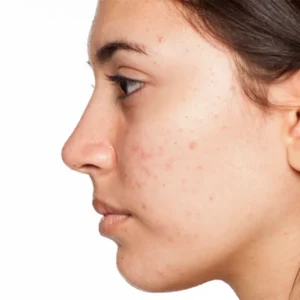
Acne
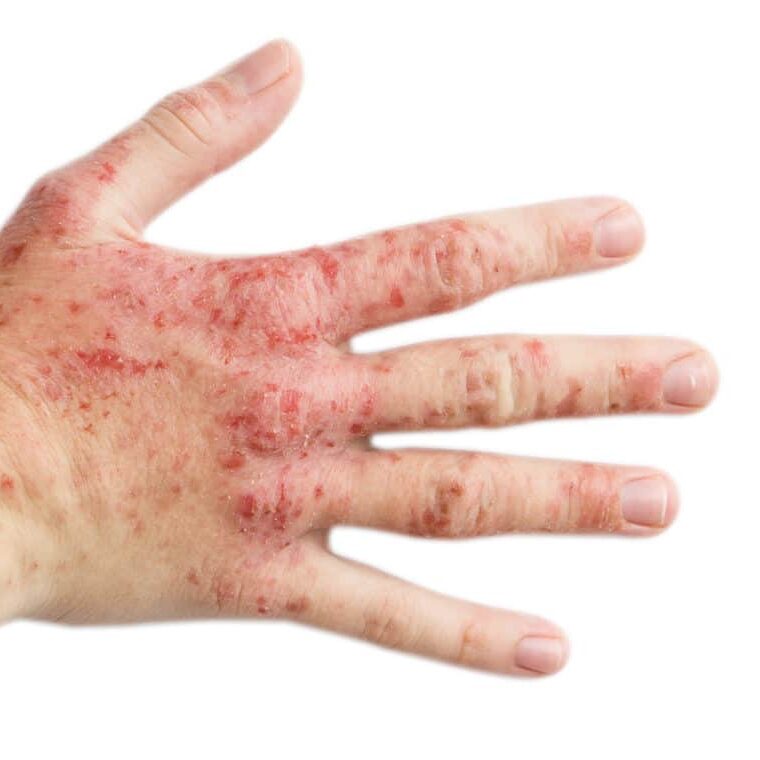
Eczema
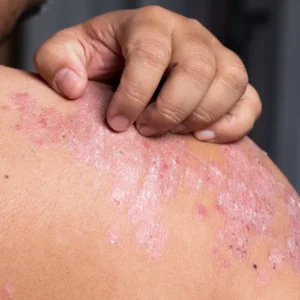
Psoriasis
More chronic skin conditions we treat:
- Rosacea
- Vitiligo
- Actinic Keratosis
- Keratosis Pilaris
Click on a Chronic Skin Condition to learn more about White Rock Dermatology services.
Actinic Keratosis
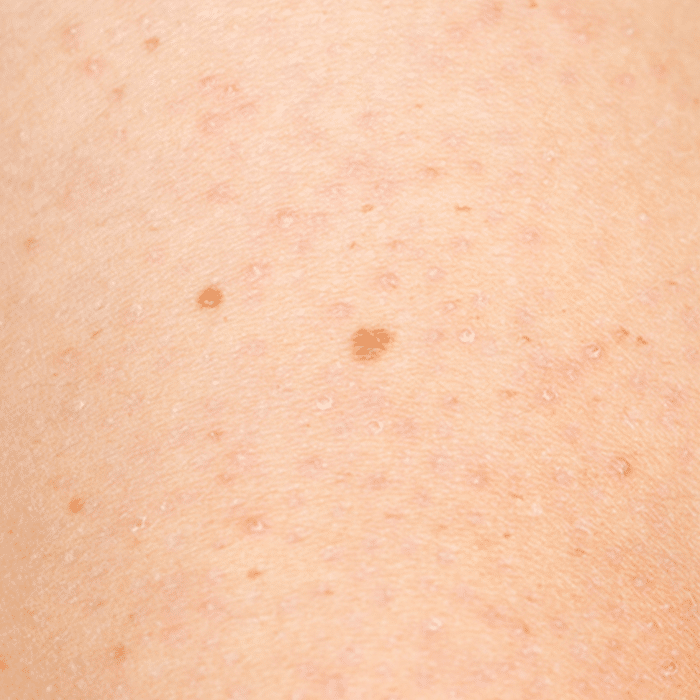
Actinic keratosis is a potentially pre-cancerous spot of thick, rough, and scaly skin.
The texture of these growths is often compared to sandpaper. In more severe cases lesions can be tender, itchy, or cause bleeding or a burning sensation.
There is a higher risk of developing actinic keratosis if one or more of these traits are present:
- Fair skin
- Naturally blond or red
- Naturally blue, green, or hazel eyes
- Skin easily burns when in the sun or freckles develop
- Weak immune system
- 40 years of age or older
- Medical condition that makes skin sensitive to UV rays
Development of these growths occurs overtime from constant sun exposure. Actinic keratosis ranges between 2mm to 6mm in size and can potentially grow to be a few centimeters in diameter.
In some cases a biopsy may be performed to ensure the growth isn’t progressing to skin cancer.
This type of keratosis can be treated with regular visits to a dermatologist. A daily topical cream may be recommended to use on affected skin over long periods of time. Other procedures may include cryotherapy, chemical peels, curettage, photodynamic therapy, or laser resurfacing.
White Rock Dermatology specializes in treating actinic keratosis. Please call our office today for more information at 214-324-2881.
Acne
Acne is a common skin problem that most affects teenagers and young adults, but it can also affect those in later adult years.
It is caused by oil and dead skin cells that clog the skin’s pores. Swelling and redness can occur if germs or bacteria get into the pores. Certain types can also cause scaring on your skin.
Causes of acne:
Genes
Hormones
Infections
Stress
Excessive sweating
Taking certain medicines
Skin conditions can take a toll on your self-esteem, and especially so for those going through puberty. Acne happens most in teen and young adult years because males and females begin to produce more testosterone during this time, which causes oil glands to produce more oil.
Different kinds of acne:
Blackheads
Whiteheads or milia
Pimples
Cystic acne (embedded in skin tissue)
Cystic lesions (red and tender lump under the skin)
Mild acne can be managed with over the counter topical products, however, there are severe cases that would require treatments from a dermatologist. If your acne doesn’t get better after three months, you are developing scars, or you have a medical history, then you should contact a dermatologist. They can prescribe stronger medication for your acne treatment to help it clear up, whether it is on your face, neck, shoulders, or back. Certain kinds of acne can cause scars on your skin, and a dermatologist can recommend how to treat the scars, like dermabrasion and laser resurfacing.
Contact us or request an appointment for additional information about how White Rock Dermatology can help you with your acne treatment in Dallas, TX.
Eczema
Eczema is a group of medical conditions that causes skin to become inflamed or irritated. It comes from the Greek word “to boil.” It affects approximately 3% of adults and children and around 10% – 20% of infants in the U.S. It almost always causes itchiness and most commonly forms rashes on the face, back of knees, hands, wrists, or feet. It can affect any part of your body. We also refer to eczema as dermatitis, which literally means “skin inflammation.”
Skin Conditions
The exact cause of is unknown, but genetics play a strong role. In patients with eczema, a problem with skin barrier function leads to an immune system response to various irritants. Studies have found that eczema is more commonly found in families that have a history of allergies or asthma.
Multiple skin conditions can lead to eczema. Exposures to allergens or irritating substances, poor circulation in veins, scaling skin, or excessive dryness can all result in eczema. Some cases are minor and can be treated with creams, however, some might be more severe and may require a stronger treatment.
If you are experiencing frequent itchiness and dry skin, visit your dermatologist to see if your symptoms are related. The goals of treatment for eczema are to prevent and relieve itching and to limit any infections. The first step in treatment involves adequate moisturization with over-the-counter creams. Topical steroids are often prescribed for varying levels of inflammation. In the event of an infection, antibiotics may be prescribed. In more serious conditions, stronger therapies may be advised by your dermatologist.
Contact us or request an appointment for additional information about how White Rock Dermatology can help with eczema conditions and treatments.
Hidradenitis Suppurativa (HS)
What is Hidradenitis Suppurativa?
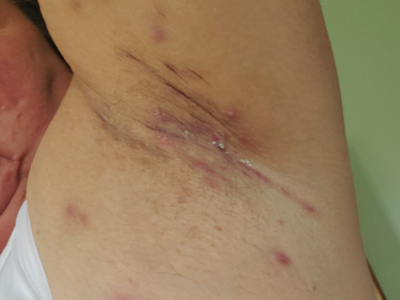
Hidradenitis Suppurativa (HS) is a chronic inflammatory skin disorder that usually occurs in the folds of the body–the armpits, groin, buttocks, and beneath the breasts. It is characterized by recurrent and persistent painful nodules and boils that can progress to tunnel formation, leaking, and scarring.
Also known as acne inversa, this disorder can significantly impact quality of life and is associated with increased inflammation throughout the body. It usually starts after puberty. Although there is no cure, the good news is that we have multiple treatments for this painful disease.
Keratosis Pilaris
What is Keratosis Pilaris?
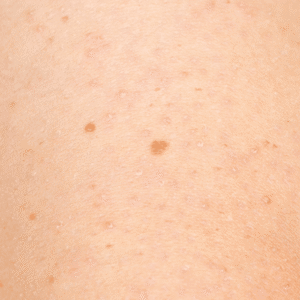
Keratosis pilaris is a harmless skin condition that causes tiny, rough bumps on the surface of the skin. These little bumps can be confused with goose bumps or pimples and can often be found on the upper arms and front of the thighs.
Keratosis Pilaris is caused when the human body produces excess amounts of keratin. This condition develops during childhood and persists through adulthood. Chances of developing keratosis pilaris can increase if one or more of the following condition is present:
- Dry skin
- Eczema
- Excess body weight
- Hay fever
Although these bumps are harmless, many are bothered by the dryness or appearance of the bumps. Treatment may include moisturizing the affected area 1-2 times a day with topical creams that contain lactic acid, glycolic acid, and vitamin D. In more severe cases, keratosis pilaris can be treated with laser therapy. There is no cure for keratosis pilaris, however daily treatment for the skin will improve the condition.
White Rock Dermatology can help the apperance of Keratosis Pilaris. Contact our office or request an appointment for more information.
Psoriasis
Psoriasis is a skin condition that develops when the body generates skin cells too quickly, causing them to pile up and form raised plaques and scales on the skin.
Normal skin cells completely grow and shed in about a month but with psoriasis, skin cells do this in only three or four days. Men, women, and children of all skin colors can get psoriasis. Psoriasis is not contagious.
Symptoms
Symptoms can begin at any time, but often start between ages 15 and 25. Dry, thick, and raised patches on the skin are the most common sign of psoriasis. These patches are often covered with a scaly, sometimes silvery coating and can itch, burn, and sting. Plaques and scales can occur anywhere on the body but are most commonly found on the elbows, knees, and scalp.
Symptoms also vary based on the type. According to the AADA, there are five main types of psoriasis:
Plaque (plack)
- Patches of thick, raised skin called plaques
- Scale (a dry, thin, and silvery-white coating) covers some plaques
- Plaques of different sizes
- Smaller plaques joining together to form larger plaques
Guttate
- Small and scaly
- Salmon-colored to pink
- Temporary, clearing in a few weeks or months without treatment
Inverse
- Smooth, red patches of skin that look raw
- Little, if any, silvery-white coating
- Sore or painful skin
Pustular
- Red, swollen skin that is dotted with pus-filled bumps
- Extremely sore or painful skin
- Brown dots (and sometimes scale) appear as the pus-filled bumps dry
Erythrodermic
- Skin on most of the body looks burnt
- Chills, fever, and the person looks extremely ill
- Muscle weakness, a rapid pulse, and severe itch
Psoriatic Arthritis
Some people who have psoriasis develop a type of arthritis called psoriatic arthritis. This is more likely to occur if you have severe psoriasis. Initial symptoms can be subtle but include:
- A swollen and tender joint, especially in a finger or toe
- Heel pain
- Swelling on the back of your leg, just above your heel
- Stiffness in the morning that fades during the day
Causes
Psoriasis is an immune-mediated disease, meaning the cause is unknown but is thought to be influenced by genetics and an irregular immune response. This immune system dysfunction causes inflammation in the body and in the case of psoriasis, the inflammation becomes visible on the skin. Immune system changes can be caused by certain events or factors, triggering the start of psoriasis symptoms. Common triggers include stress, illness (particularly strep infections), injury to the skin and certain medications.
Treatment
There is no cure for psoriasis but there are several treatments available to help reduce or eliminate your symptoms. Each case is different and finding the right treatment(s) can be tricky, so it is important to work closely with your dermatologist to figure out which treatment plan works best for you. Treatment plans include:
- Topicals (steroids, non-steroids, and OTC creams, lotions, shampoos, etc.)
- Prescription medications
- Phototherapy (light therapy)
Self-Care
After working with your dermatologist to create a treatment plan and manage your psoriasis, it can be helpful to practice self-care techniques to help keep it under control. This includes reducing stress, moisturizing dry skin, quitting smoking, avoiding products that irritate your skin or rubs the psoriasis, and eating a healthy diet.
The experienced doctors and staff at White Rock Dermatology provide extraordinary care and a personal focus, and will work with you to manage your psoriasis and relieve your symptoms. Reach out today and request your appointment!
Rosacea
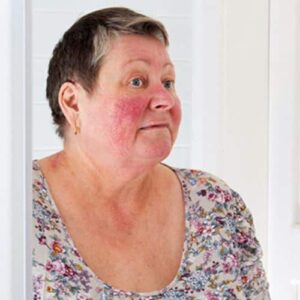
Rosacea is a common skin condition affecting more than 14 million people in the US. It causes redness, swelling, visible blood vessels, and even small red bumps on your face.
Rosacea often starts with more frequent and noticeable blushing than other people, however, the redness can spread from the cheeks and nose to your forehead, chin, ears, or beyond.
Symptoms
According to the AADA, there are four subtypes of rosacea, each with its own list of signs and symptoms. Some people have multiple subtypes simultaneously, but each can require different treatment.
Subtype 1: Facial Redness, Flushing, Visible Blood Vessels
- Flushing and redness in the center of the face
- Visible broken blood vessels (spider veins)
- Swollen, sensitive skin that may sting and burn
- Dry skin, roughness or scaling
- Tendency to flush or blush more easily than other people
Subtype 2: Acne-like Breakouts
- Acne-like breakouts, usually where the skin is very red
- Oily skin
- Skin may be very sensitive, burn, and sting
- Visible broken blood vessels (spider veins)
- Raised patches of skin called plaques
Subtype 3: Thickening Skin
- Bumpy texture to the skin
- Skin begins to thicken, especially common on the nose (this is called rhinophyma)
- Skin may thicken on the chin, forehead, cheeks, and ears
- Visible broken blood vessels appear
- Pores look large
- Oily skin
Subtype 4: In the Eyes
- Watery or bloodshot appearance
- Dry, itchy eyes that burn or sting
- Eyes sensitive to light
- Blurry vision
- Visible broken blood vessels on an eyelid
- Cyst on the eyelid
Causes
Rosacea is very common and is most commonly appears in people between the ages of 30 – 50, have fair skin, or those who have had or are related to someone with rosacea or severe acne. That being said, anyone can have this skin condition. The exact cause is not certain but scientists believe that several things may play a role including your genes (Rosacea seems to run in families) or an irregular immune system. However, there are many common factors that can trigger flare-ups, including:
- Hot drinks and spicy foods
- Alcohol
- Extreme hot or cold
- Sunlight or wind
- Exercise
- Drugs that dilate blood vessels, including some blood pressure medications
- Certain makeup products, skin creams, lotions, or other cosmetics
Treatment
Rosacea cannot be cured but your dermatologist may be able to offer treatment that reduces the signs of rosacea, alleviates associated pain or discomfort, and prevents your rosacea from worsening. Prescription medications include topical cream or gel that reduces redness, oral antibiotics, or oral acne medications. Laser and light-based therapies may also help reduce redness. Please consult your dermatologist to find the treatment plan that best suits your specific condition.
Self-Care
Although medicine and other therapies can help reduce signs of rosacea, there are a few things you can do to prevent new flare ups. First, it is important to identify and avoid your triggers. You should also mild skin care products and be gentle with your skin care routine. Finally, protect your skin from the sun! Use sunscreen with SPF 30 or higher, wear protective clothing and glasses, and avoid midday sun.
If you have specific questions about your rosacea or are having trouble avoiding flare-ups, schedule an appointment with one of our experienced dermatologists today!
Reviews
"Dr Riddle was prompt, professional but real friendly, fixed what was wrong. She took the time to ask and answer questions. Definitely will use her from no on."
"Dr.Riddle has been my dermatologist since I was 13 and she has always made me feel understood and cared for. She’s really made a difference in my life and I encourage anyone who is looking for a great dermatologist to go to her. She’s goes above and beyond for her patients and you will not be disappointed.The staff are also always warm and welcoming."
“I’ve gone twice to this office and seen by Dr. Dolan. She is such an amazing doctor, very understanding and caring, made me feel completely comfortable and I can not recommend her enough. Everyone I met was very nice and attentive.”
“I have been patient of Dr Dolan for many years have always had excellent care and professional treatment from the doctor and staff.”