
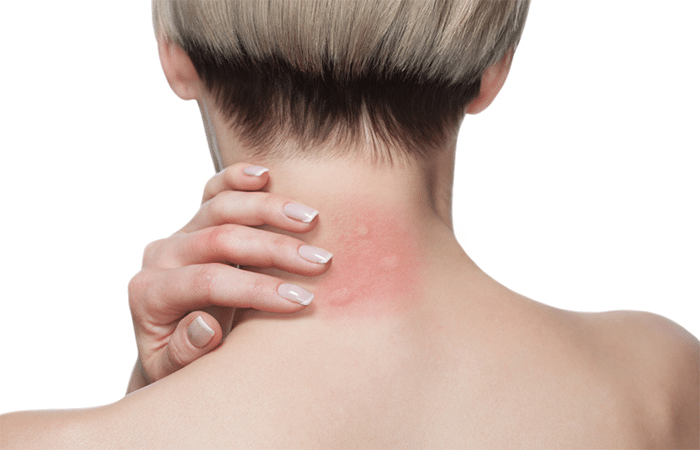
Everyday Skin Issues, Expertly Treated
Effective treatments for the skin issues you deal with every day.
Common skin conditions can affect patients of all ages and often require professional evaluation to ensure proper treatment. At White Rock Dermatology, we diagnose and treat a wide range of everyday skin concerns, from rashes and acne to infections and benign growths. Our goal is to identify the root cause of each condition and create an effective, personalized treatment plan to restore skin health and comfort.
From sudden flare-ups to lingering concerns, we diagnose and treat common skin conditions with clarity, care, and effective solutions.
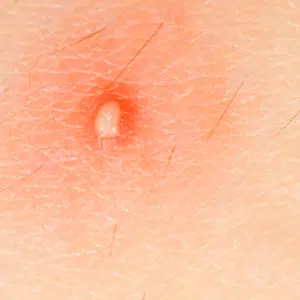
Boils

Sun Protection
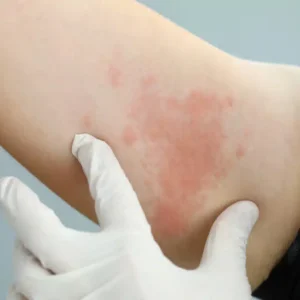
Hives
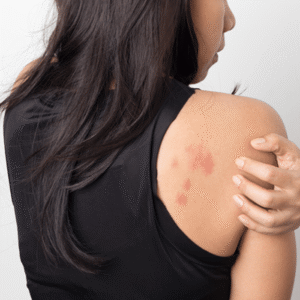
Rashes

Nail Disorders
Moles
More common conditions we treat:
- Aging Skin
- Boils
- Hives
- Keratosis Pilaris
- Melanoma
- Shingles
- Warts
- Actinic Keratosis
- Skin Tags
- Cysts
- Hair Loss
Click on a Common Skin Condition to learn more about White Rock Dermatology services.
Actinic Keratosis
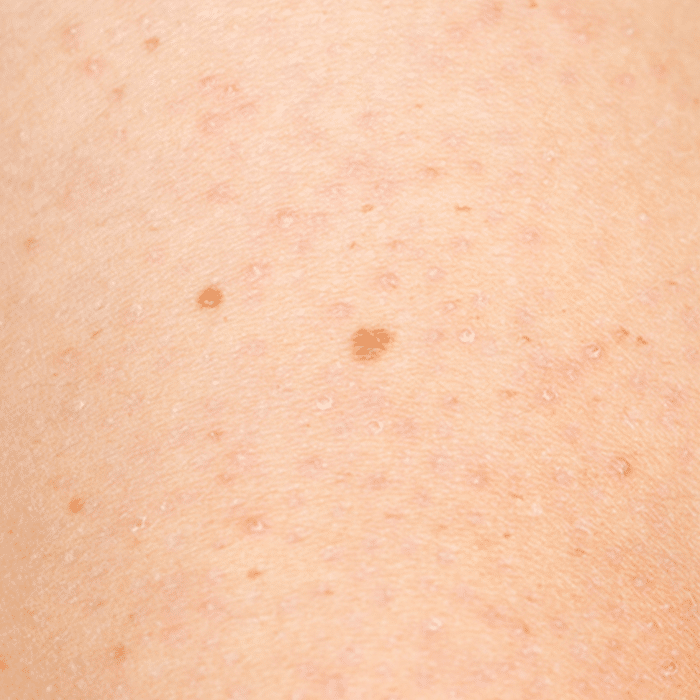
Actinic keratosis is a potentially pre-cancerous spot of thick, rough, and scaly skin.
The texture of these growths is often compared to sandpaper. In more severe cases lesions can be tender, itchy, or cause bleeding or a burning sensation.
There is a higher risk of developing actinic keratosis if one or more of these traits are present:
- Fair skin
- Naturally blond or red
- Naturally blue, green, or hazel eyes
- Skin easily burns when in the sun or freckles develop
- Weak immune system
- 40 years of age or older
- Medical condition that makes skin sensitive to UV rays
Development of these growths occurs overtime from constant sun exposure. Actinic keratosis ranges between 2mm to 6mm in size and can potentially grow to be a few centimeters in diameter.
In some cases a biopsy may be performed to ensure the growth isn’t progressing to skin cancer.
This type of keratosis can be treated with regular visits to a dermatologist. A daily topical cream may be recommended to use on affected skin over long periods of time. Other procedures may include cryotherapy, chemical peels, curettage, photodynamic therapy, or laser resurfacing.
White Rock Dermatology specializes in treating actinic keratosis. Please call our office today for more information at 214-324-2881.
Aging Skin
Just as we age over the years, so does our skin.
We can’t change the aging process, but we do have some control over how our skin ages. Things you do in your everyday life have an effect on your skin.
Factors that can affect how your skin ages:
- Diet
- Genetics
- Lifestyle
- Lack of sleep
- Overexposure to sun
- Smoking
Lifestyle and environmental choices can cause your skin to age in specific ways, and some skin changes that come with age include skin becoming rougher, more transparent, looser, and easily bruised. Skin can also wrinkle and become spotted from exposure to the sun or pollution.
If you have signs of premature skin aging, you can still make lifestyle changes. Protect your skin from the sun every day (even if you’re not at the beach), stop smoking, eat a well-balanced diet, and create a regular routine for washing your face twice a day.
Dermatologists can offer treatments for aging skin that include procedures for smoothing and tightening skin. For early signs of aging, retinoids and vitamin C treatments may work, while chemical peels, laser resurfacing, or dermabrasion can help for moderate to severe damage. Surgeries are available, like facelifts, brow lifts, or cosmetic surgery.
White Rock Dermatology can help if you are experiencing aging skin and create a treatment plan that best works for you. We are located in Dallas, TX and have years of experience treating skin conditions. Contact us or request an appointment for additional information about how White Rock Dermatology can help!
Boils
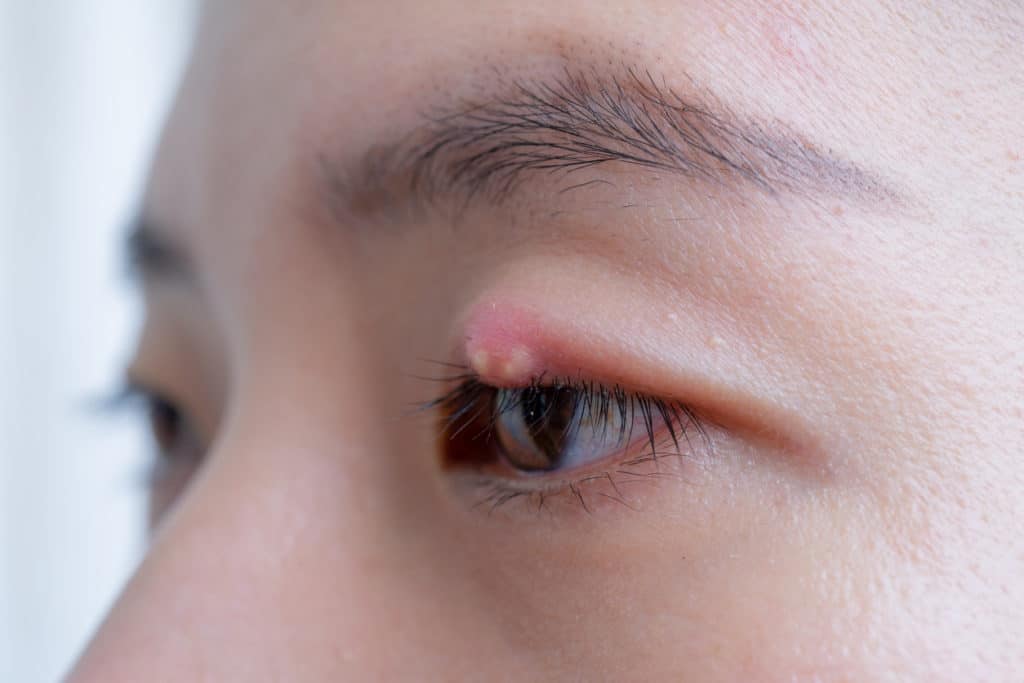
Boils are a very common skin condition caused by a skin infection that occurs around an oil gland or hair follicle.
They begin as a red lump but as white blood cells collect under the skin, a red, painful, pus-filled bump forms on the surface. A boil is also referred to as an abscess (if it’s large), a stye (if it’s on the eyelid), or a carbuncle (if a few boils are grouped together).
Symptoms
Boils are usually small but can grow as large as baseballs. Other common symptoms include:
- Swelling
- Redness
- Pain
- A white or yellow center
- Oozing pus or crusting
- Fever
- Fatigue or general malaise
Causes
Staph bacteria (Staphylococcus aureus) are the cause of most boils. For the healthy individual, these bacteria normally live on your skin or in your nose but when you get a cut, scrape or an object breaks your skin, the bacteria can enter a hair follicle. This causes an infection and the boil that forms is the result of your body’s immune system trying to get rid of the bacteria. Hair follicles can be located anywhere on your body but most of the time boils are found in areas where there is a lot of hair, sweat, and/or friction, such as the:
Neck
Chest
Back
Face
Armpits
Buttocks
Thighs
Anybody can develop a boil but your risk is increased if you come into contact with an infected person, have acne, eczema, or other skin conditions, diabetes, or a weakened immune system.
Treatment
Luckily, most boil can be treated with at-home care. Warm moist compresses can help the boil open and drain. Be sure to keep the area clean and bandaged but resist the urge to pop your boil as this could make the infection worse.
However, if you do not see improvement after one week of at-home care, call your dermatologist. You should also call your doctor if your boil is very large or especially painful, recurrent, you have a fever, or red streaks are coming from the sore. Your dermatologist may decide to treat your boil by draining it in-office and may prescribe antibiotics or steroid shots to promote healing.
Prevention
The best way to prevent boils is good hygiene! Wash your hands thoroughly and often or use alcohol-based hand sanitizer. Carefully clean any cuts, scrapes or other wounds and keep them properly bandaged.
Hair Loss
Hair Loss typically begins on your head but can also affect other areas of your body, sometimes your entire body.
Roughly 35 million men and 21 million women suffer from hair loss. Genetics often lead to the majority of hair loss, and it is more than likely unavoidable. However there are multiple preventative measures one can take to slow the rate of rapid hair loss. As a certified dermatologist, we are licensed and trained to diagnose and treat chronic conditions that affect our surface makeup; meaning the hair, skin and nails. Hair loss can occur at just about any age once you begin your adult life; statistics show that on average we’ll lose between 50-100 hairs each day.
Although Hair loss doesn’t really have any symptoms, it can show its ugly head in many ways. This is all dependent on what factors whether they are genetic, mental, or physical, that’s causing it. Thinning on the top of your head is more commonly found in males than in females. You’ll start to notice males with receding hair lines in their early 20s. Hair loss in women is typically found to be hereditary. You’ll start to notice hair loss as a woman after the age of 40.
Hair loss can be the leading symptom in many underlying health conditions including:
Alopecia or Alopecia Areata
- Can occur in highly stressed individuals, your immune system attacks your hair follicles itself. You’ll see this start to occur in one or more circular patches of decreased hair loss. Topical scalp medications can be used to treat or improve the condition however there is no linked cure.
- Thyroid Disease or Hypothyroidism/Hyperthyroidism
- Thyroid disease means you have an either underactive or overactive thyroid. Meaning your body can produce too little or too much T4. This needs to be consulted by a medical professional, and one of the top symptoms or results of such is hair loss all over the scalp. It can be resolved in time with proper treatment and care.
- Ringworm
- Ringworm in the scalp region typically begins as its normal, red round bump almost like a pimple and eventually will expand in size over time. Leaving individuals with temporary patches of hair loss.
- Pregnancy/ Childbirth/Menopause
- Thinning and Shedding is quite common in females when undergoing pregnancy or even after a child is born. Hormonal changes or imbalances are one of the top leading factors in woman hair loss.
You can also find rapid Hair loss due to side effects from certain medications that treat:
- Cancer
- Chemotherapy
- Targeted Therapy
- Radiation Therapy
- Bone marrow transplants
- Depression
- Arthritis
- Rheumatoid Arthritis studies have recently shown that your immune system could attack your skin that your hair follicles reside on, causing hair loss in those affected.
- Heart issues
- Blocked arteries
- High cholesterol
- High blood pressure
- Diabetes
Common treatments
The most widely used treatment for hair loss in both males and females is called Rogaine. Rogaine is the only topical solution that is approved by the FDA for hair regeneration and to prevent loss. Other treatments have been used in the past, ones that are commonly known is a hair transplant, or “Follicular unit transplantation”. A hair transplant is when your hair follicles that are able to generate the most amount of growth are removed from your scalp and then strategically placed to a separate area where growth may be near impossible. Tips to naturally start up the hair re-growth process include the usage of coconut oil treatments, scalp massage, Aloe Vera, Viviscal vitamins, Fish oil supplements, Rosemary oil treatments, and Ginseng.
Other remedies that can help to slow the process of losing your hair can work as preventative measures. This includes vitamins and other supplements like
- Biotin
- Iron
- Zinc
- Vitamin C
- Vitamin D
How can I prevent losing my hair?
Your diet is the number one thing you should look at when talking hair loss preventions. Spinach is an important source of iron, and most individuals that suffer from excessive hair loss are known to have an iron deficiency. Eggs are also known to help in re-structuring damaged hair, which is why you’ll hear about people doing an egg wash as a hair mask. Carrots provide extreme nourishment for the scalp; prunes can help if your hair lacks density and moisture. All leafy greens, fruits and fatty fish are beneficial as well. Consult with your dermatologist and nutritionist to map out what the best possible diet for you would look like to prevent these results.

Hives
Hives are a common skin condition characterized by itchy welts ranging in size from small points to large blotches. Hives often go away in less than 24 hours but new bouts may cause them to last a few days or longer. According to the AADA, acute hives last less than 6 weeks and chronic hives last more than 6 weeks. Acute hives are often a result of an allergic reaction but can have many causes.
Symptoms
The most common signs and symptoms of hives are:
- Slightly raised, pink or red swellings that can itch, sting, or hurt
- Welts that occur alone or in a group, or connect over a large area
- Skin swelling that subsides or goes away within 24 hours at one spot but may appear at another spot
Causes
Hives are a very common skin reaction that can affect anybody. An allergic reaction can bring about hives; typical triggers include:
- Foods: Fruits (especially citrus fruits), milk, eggs, peanuts, tree nuts, and shellfish
- Medicines
- Insect bites and stings
- Animals
- Pollen
- Touching something to which you are allergic, such as latex
- Allergy shots
However, not all hives are caused by allergic reactions. Other causes could be stress, exercise, infections, contact with chemicals, or exposure to the sun. Hives can appear within minutes of being exposed to your trigger. To find out what exactly is causing your hives, your dermatologist may need to run the following tests:
- Allergy tests
- Blood work
- A skin biopsy
Treatment
You may not need treatment if you only experience mild symptoms. Hives often clear up on their own but treatment with antihistamines can relieve bothersome itching and pains. Per the AADA website, your dermatologist may also prescribe the following as treatments:
- Antihistamines
- Corticosteroids like prednisone
- Dapsone
- Omalizumab
- Other medicines that fight inflammation
It is important to ask your dermatologist about possible side effects from any of your treatment options.
Prevention
The best way to prevent acute hives is to identify and avoid your triggers. For chronic hives, your doctor may prescribe daily antihistamines. Schedule an appointment with one of our experienced dermatologists here at White Rock Dermatology to evaluate your situation and begin your treatment plan.
Keratosis Pilaris
What is Keratosis Pilaris?
Keratosis pilaris is a harmless skin condition that causes tiny, rough bumps on the surface of the skin. These little bumps can be confused with goose bumps or pimples and can often be found on the upper arms and front of the thighs.
Keratosis Pilaris is caused when the human body produces excess amounts of keratin. This condition develops during childhood and persists through adulthood. Chances of developing keratosis pilaris can increase if one or more of the following condition is present:
- Dry skin
- Eczema
- Excess body weight
- Hay fever
Although these bumps are harmless, many are bothered by the dryness or appearance of the bumps. Treatment may include moisturizing the affected area 1-2 times a day with topical creams that contain lactic acid, glycolic acid, and vitamin D. In more severe cases, keratosis pilaris can be treated with laser therapy. There is no cure for keratosis pilaris, however daily treatment for the skin will improve the condition.
White Rock Dermatology can help the apperance of Keratosis Pilaris. Contact our office or request an appointment for more information.
Melanoma
Melanoma is a form of skin cancer that begins in damaged melanocytes which are located in the basal layer of the epidermis/top layer of the skin (basal cell carcinomas also originate in the basal layer). It is marked by cancerous growths often resembling moles. Melanoma is not the most common form of skin cancer; however, it is the most dangerous.
Causes
Melanoma is caused by intense UV exposure. This exposure, which can be brief or prolonged, causes skin cell damage that results in the formation of tumors. UVA and UVB exposure can come from the sun’s rays or tanning beds. Melanomas can also be caused by genetic mutations that can run in families.
Signs: What to look for
In order to spot melanoma it is important to pay particular attention to any mole that is different from the others, especially if you notice that it has evolved in color, height, size, or shape over time. Moles that bleed, ooze, itch, or are painful or tender should also be addressed. While many tend to be black or brown, melanomas have the potential to range in color from skin-toned, to purple, blue, or even white.
The Skin Cancer Foundation has established a helpful set of guidelines, the ‘ABCDEs of Melanoma’, in order to detect harmful moles before they pose a serious health risk. These guidelines include:
- Asymmetry – mole is not symmetrical
- Border – mole’s borders are uneven
- Color – mole appears to be various colors as opposed to one shade of black or brown
- Diameter – mole’s diameter is larger than a pencil’s eraser (although some may be smaller earlier on)
- Evolving – the appearance of the mole changes over time
Risk Factors
Many factors can contribute to an individual’s level of susceptibility to developing melanoma. These factors include:
- Increased sun exposure
- Having a large quantity of moles on skin
- Having fairer skin, hair, and eyes
- Genetics
Treatment
After a visit with one of our board certified dermatologists, they may determine that the mole needs to be evaluated further. In this case, the mole will be separated from the skin in order to be examined under a microscope. This examination will be able to establish whether the mole is malignant or benign.
When spotted and addressed early, melanoma is, more often than not, curable. However, once the cancer has advanced and spread, it becomes increasingly difficult to treat.
At any stage, treatment for Melanoma may include:
- Surgery
- Radiation therapy
- Chemotherapy
- Immunotherapy
Working to prevent melanoma (and other forms of skin cancer) begins with incorporating a sun-protection element into your skin routine. While many believe that taking precautions in regards to sun exposure is only necessary in the summer, the Skin Cancer Foundation recommends using SPF 15 + throughout the year. At White Rock Dermatology, we recommend wearing at least SPF 30 broad spectrum sunscreen reapplied every two hours while outdoors and/or protective clothing. It is also strongly advised to perform a thorough self-examination at least once a month, making note of any changes on the surface of the skin. If you do find any changes that are in any way a concern, it is important to make an appointment with one of our dermatologists as soon as possible.

Moles
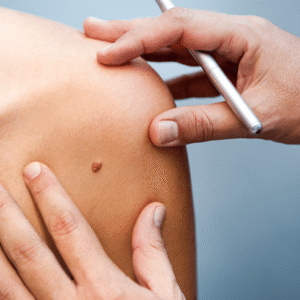
Moles are commonly brown or black growths found on the skin and can appear anywhere on the skin. They develop in early childhood and during the first 25 years of a person’s life. They can appear on children and will often change over time. Some adults can have 10 to 40 moles, and this is normal.
Moles occur when skin cells grow in a cluster instead of being spread out. These cells, called melanocytes, give skin its natural color. They often darken during exposure to the sun, pregnancy, and during teen years. They can appear on areas of the skin that are exposed to the sun, like hands, arms, neck, face, and back.
Types of moles:
- Congenital: These moles are present at birth. Some of these have a higher risk of developing melanoma (cancer) than others that are found after birth. These occur in about 1 out of every 100 people.
- Dysplastic: Often dark brown in the center with lighter edges, these kinds of moles are larger than average. They are more likely to develop into melanoma, especially if you have four or more atypical moles or have a relative with melanoma.
The majority of moles are not cancerous. If you see a change in a mole’s color, height, size, or shape, you should set up an appointment with your dermatologist. Other warning signs of harmful moles are ones that bleed, ooze, itch, or experience pain or tenderness.
If a mole needs to be evaluated further, a dermatologist will shave or cut out the entire spot to evaluate the mole under a microscope. If the mole is determined to be cancerous, the dermatologist will cut out the entire mole and stitch the wound closed.
Nail Disorders
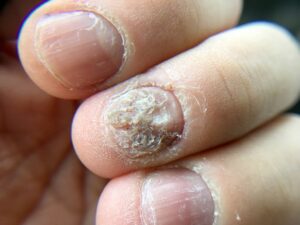
The nails on your fingers and toes are made of a hardened protein, keratin, and protect the soft tissue underneath. Healthy nails are smooth and consistent in color so any discoloration or changes in growth can indicate the presence of injury, infection, or disease.
Symptoms
There are multiple nail disorders so symptoms can vary, but common signs include:
- Nail pain or soreness
- Thickened nails
- Distorted growth
- Dark streaks
- Yellow nails
- Nail lifting up
- Brittle or cracked nails
- Fouls smells
- Redness and swelling around a nail
Causes
Many types of fungus can bring about a nail disorder by penetrating the skin between the nail and nail bed. Warm, moist environments (such as inside boots) can cause an infection to develop quickly. Other factors include family history, walking barefoot in public areas, or excessive sweating. Health problems such as diabetes and poor circulation are common instigators.
Treatment
If you are experiencing any of the symptoms mentioned above or have other reasons to suspect a nail disorder, make an appointment with your dermatologist to examine your nails. Once your dermatologist has evaluated your condition, they can offer multiple treatment methods including:
- OTC Antifungal medications (oral and topical)
- Laser nail treatment
- Complete removal of the nail
Prevention
There are many steps you can take to prevent nail fungal infections. For starters, you should always wear sandals when walking in public areas like gyms, spas, public showers, or pools. You should also wear clean socks every day or invest in moisture-wicking socks if your feet tend to get extremely sweaty. It is important to wear shoes that fit well and effectively keep your feet dry and ventilated. Be sure to regularly clip your nails — cut toenails straight across and keep them shorter than the end of your toes!
Finally, it is important to regularly check your toenails and fingernails for early signs of infection and if you have any questions or concerns, contact your dermatologist. Our seasoned doctors here at White Rock Dermatology have years of experience treating nail disorders so schedule your appointment today!
Rashes
Skin Rash: Expert Diagnosis and Comprehensive Relief for Irritated Skin
Few dermatological issues are as frustrating, uncomfortable, and frankly confusing as a persistent skin rash. These sudden, visible changes in your skin—characterized by redness, itching, swelling, or blistering—can be a nuisance, a signal of an underlying condition, or even a sign of a severe reaction. When over-the-counter creams fail to provide relief, you need specialized care to identify the cause.
At White Rock Dermatology, our board-certified dermatologists, Dr. Beth Dolan and Dr. Christy Riddle, are experts at diagnosing and treating the full spectrum of rashes. We understand that a rash is the body’s external reaction to an internal or external trigger, and accurately identifying that trigger is the essential first step toward clear, comfortable skin.
When Is a Skin Rash More Than Just an Annoyance?
Most people will attempt to treat a mild rash at home with cooling compresses or over-the-counter hydrocortisone cream. While this works for simple irritations, a skin rash that is persistent, worsening, or accompanied by other symptoms requires professional evaluation. Delaying care can lead to secondary infections, permanent scarring, or signal a more serious underlying health issue.
It’s Time to See a Dermatologist If You Experience:
- Persistence: The rash lasts longer than a week or two without improvement, despite using OTC remedies.
- Rapid Spread: The rash is spreading quickly or covers a large area of your body.
- Pain or Blisters: The rash is painful, has open sores, or is developing large, pus-filled blisters.
- Accompanying Symptoms: The rash is accompanied by a fever, joint pain, or swelling (seek immediate medical attention for severe swelling or difficulty breathing).
- Unknown Cause: You cannot identify a clear cause (like poison ivy) and the rash keeps recurring.
Decoding the Types of Rashes We Treat
The term “rash” is a general description for inflammation of the skin. To treat it effectively, our dermatologists perform a careful examination and differential diagnosis to pinpoint the specific condition:
Contact Dermatitis (Allergic vs. Irritant)
This is one of the most common causes of localized skin rashes. It occurs when your skin reacts to a foreign substance.
- Allergic Contact Dermatitis: A delayed immune response to an allergen (e.g., nickel, fragrances, or plants like poison ivy, oak, and sumac).
- Irritant Contact Dermatitis: A direct reaction to a toxic or irritating substance (e.g., harsh soaps, bleach, detergents).
- Symptoms: Redness, intense itching, and sometimes small blisters confined to the area of contact.
Eczema (Atopic Dermatitis)
Eczema is a chronic, non-contagious condition caused by a defective skin barrier. It leads to inflammation, severe itching, and recurring dryness.
- Symptoms: Patches of dry, red, flaky, and intensely itchy skin, often appearing in the folds of the elbows and knees.
- Our Treatment: Eczema management focuses on repairing the skin barrier, controlling inflammation with prescription topicals, and identifying personal triggers to prevent Eczema flare-ups.
Hives (Urticaria)
Hives are often mistaken for other rashes but have a distinctive appearance and behavior. They are raised, red or flesh-colored welts that typically appear suddenly and can be intensely itchy.
- Symptoms: Wheals that blanch (turn white) when pressed and often migrate, disappearing in one area and reappearing in another within hours.
- Cause: Hives are usually caused by a sudden release of histamine due to a food allergy, medication reaction, insect sting, or even stress.
Rosacea
While technically a chronic inflammatory condition, rosacea often presents as a rash-like redness and flushing primarily affecting the central face.
- Symptoms: Persistent facial redness, visible blood vessels (telangiectasias), and sometimes small, red, acne-like bumps (papules and pustules).
- Our Treatment: Managing Rosacea involves identifying environmental and dietary triggers and using specialized oral and topical medications to control inflammation and redness.
Infectious Rashes
These rashes are caused by biological agents and require specific medical intervention:
- Viral: Such as Shingles (Herpes Zoster), which appears as a painful, blistering stripe on one side of the body.
- Fungal: Such as ringworm (tinea), which creates circular, scaly, itchy patches.
- Bacterial: Such as impetigo, which causes crusty, honey-colored sores.
The Dermatologist’s Approach: Accurate Diagnosis is Key
To provide effective relief for your skin rash, our practice follows a systematic approach to diagnosis:
- Comprehensive Patient History: We begin by discussing your symptoms, timeline, exposure to chemicals/allergens, diet, and use of medications or supplements. We may ask questions like:
- When did the rash first appear?
- Does anything make the rash better or worse?
- Have you changed any laundry detergents, soaps, or perfumes recently?
- Dermatoscopic Examination: We use specialized tools to closely examine the rash pattern, distribution, and skin changes.
- Diagnostic Testing: For complex or recurring rashes, testing may be necessary:
- Patch Testing: To identify specific chemical or environmental allergens triggering allergic contact dermatitis.
- Skin Biopsy: A tiny sample of the skin may be taken and sent to a lab for microscopic analysis to definitively rule out complex conditions or sub-types of dermatitis.
Tailored Treatment and Long-Term Management
Once a definitive diagnosis is made, your treatment plan will be customized to the type of rash and your lifestyle. Treatment options often include:
- Prescription Topicals: Medicated creams, gels, or ointments (often containing corticosteroids or calcineurin inhibitors) to quickly reduce inflammation, redness, and itching.
- Oral Medications: Antihistamines, antibiotics, or anti-inflammatory drugs to control systemic reactions or infections.
- Barrier Restoration: Advice on using thick, emollient moisturizers to repair the skin’s natural protective barrier.
- Lifestyle & Avoidance: Guidance on identifying and strictly avoiding personal triggers to prevent recurrence, which is the most critical step in long-term management.
Find Relief for Your Skin Rash
Don’t let a persistent or painful rash disrupt your quality of life. If you’ve tried treating skin irritation at home without success, it’s time to consult with the experts. Our commitment to providing extraordinary care and personal attention makes us the preferred dermatology office for reliable skin rash treatment.
We are ready to provide the accurate diagnosis and effective treatment plan needed to restore your clear, comfortable skin. Schedule your consultation today! Visit our Request an Appointment page or contact our dedicated staff directly. We look forward to partnering with you on your journey to skin health.
Shingles
Shingles: Expert Diagnosis and Comprehensive Management
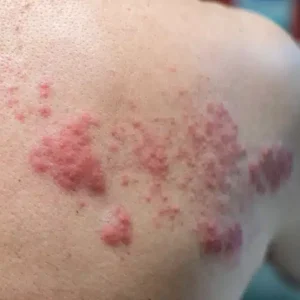
Shingles, medically known as Herpes Zoster, is a painful viral infection that results in a distinct, blistering rash. It is caused by the reactivation of the Varicella-Zoster Virus (VZV), the same virus that causes chickenpox. A Shingles outbreak is characterized by intense, localized pain and the appearance of a rash that follows nerve pathways.
At White Rock Dermatology, our board-certified dermatologists, Dr. Beth Dolan and Dr. Christy Riddle, understand that Shingles is not just a skin condition—it’s a neurological event that requires swift, specialized medical intervention. Time is a critical factor in treating Shingles, as prompt intervention is necessary to reduce the severity of the outbreak and significantly minimize the risk of developing long-term nerve pain. If you suspect you have Shingles, immediate contact with our office is strongly advised.
Understanding the Cause of Shingles
After a person recovers from chickenpox, the VZV does not leave the body. Instead, it lies dormant (inactive) in the nerve tissue near the spinal cord and brain. A Shingles episode occurs when this virus reactivates and travels down the nerve fibers to the skin.
Common Triggers for Viral Reactivation:
- Age: The risk increases significantly with age, particularly for individuals over 50.
- Weakened Immunity: Temporary or chronic weakening of the immune system due to illness, medications, or prolonged stress.
- Stress: Significant emotional or physical stress can sometimes trigger the virus to travel down the nerve.
Because the virus follows a specific nerve path (dermatome), the resulting rash typically appears as a band or stripe, localized to one side of the body, and almost never crossing the body’s midline.
Recognizing the Key Stages of a Shingles Outbreak
Identifying Shingles quickly is essential for starting treatment during the critical therapeutic window. The infection generally progresses through these stages:
1. Prodrome Stage (Pre-Rash Symptoms)
This stage involves localized symptoms that often occur 1 to 5 days before the rash becomes visible. Patients may mistake this for a muscle strain or another internal issue.
Localized burning, tingling, or stabbing pain in a specific area.
Intense itching or sensitivity to touch.
General fatigue or headache.
2. Active Rash Stage
This stage confirms the Shingles diagnosis and signals the urgency for treatment.
Rash Appearance: Red patches and clusters of small, fluid-filled blisters (vesicles) emerge along the affected nerve pathway.
Pattern: The rash is distinct—a band or strip on only one side of the body.
Progression: Blisters typically crust over within 7 to 10 days and heal completely over 2 to 4 weeks.
The White Rock Dermatology Treatment Philosophy
Our main goal in managing a Shingles outbreak is two-fold: viral suppression and nerve protection.
Immediate Antiviral Therapy
Treatment should ideally begin within 72 hours of the rash first appearing. Starting oral antiviral medication (such as Valacyclovir) quickly is scientifically proven to:
Speed up the healing time of the skin lesions.
Lessen the severity and duration of the acute pain.
Significantly reduce the risk of developing chronic pain.
Comprehensive Pain and Symptom Management
We provide a multi-faceted approach to manage the severe nerve pain associated with Shingles, which includes:
Pain Control: Prescribing oral medications, which may include neuropathic agents, to manage acute nerve pain and inflammation.
Topical Care: Recommendations for soothing, localized treatments to dry the blisters, prevent bacterial infection, and alleviate itching.
Nerve Protection: Strategically managing the acute inflammatory response to protect the nerve from long-term damage.
Preventing Chronic Nerve Pain: Postherpetic Neuralgia (PHN)
The most serious long-term consequence of Shingles is Postherpetic Neuralgia (PHN). PHN is defined as chronic, persistent nerve pain that lingers in the area of the rash even after the skin has fully healed. This pain can be debilitating. Our aggressive management during the acute phase is focused on mitigating the risk of developing this chronic condition.
Proactive Prevention: The Zoster Vaccine
The most effective way to prevent a Shingles episode and its severe complications is through vaccination. The current recommended vaccine is highly effective and advised for:
All healthy adults aged 50 and older.
Adults aged 19 and older who are or will be immunodeficient.
We encourage eligible patients to discuss the vaccine with our physicians during their next skin cancer screening or routine visit.
Seek Expert Care Immediately
When dealing with a painful condition like Shingles, quick, accurate medical care is paramount. As board-certified dermatologists, Dr. Dolan and Dr. Riddle have the expertise to confirm the diagnosis, manage pain effectively, and initiate life-changing antiviral therapy within the critical time window.
If you suspect you are developing Shingles, contact White Rock Dermatology immediately. Visit our Contact Page or our Request an Appointment page to receive prompt, specialized care.
Skin Tags
Skin Growths on our Body
There are many different kinds of skin growths that are both extremely common and non-cancerous. Some of these conditions include:
Moles
Freckles
Cherry Angiomas
Lentigo (Age Spot)
Skin Tags
Warts
Seborrheic Keratosis
Basal Cell Carcinoma
Squamous Cell Carcinoma
Moles occur when skin cells cluster together. The majority of moles are not harmful to your health, but if there are changes in the mole’s color, size, height, or shape, a dermatologist should be contacted immediately. Also, if a mole is tender, painful, bleeds, or oozes contact your dermatologist.
Freckles are small brown spots commonly found on the face, neck, chest, and arms. Freckles are caused by exposure to sun and can also be acquired genetically. Freckles are almost always harmless, but people with freckles are at a greater chance for developing skin cancer.
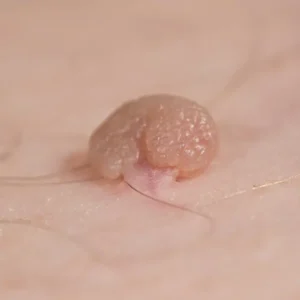
Skin tags are small tabs of skin tissue that hang off your skin. They are commonly found on the chest, back, neck, and armpits. Skin tags occur in both sexes and can be attributed to friction, aging or weight gain. There are numerous options on how your dermatologist can safely remove your skin tags.
Curious about your skin growths? White Rock Dermatology will work with you to diagnosis your growth and explain your treatment options. Located in Dallas, TX, White Rock’s Board Certified dermatologists have years of experience treating skin conditions, including skin growths. Contact us or request an appointment for additional information about how White Rock Dermatology can help you with sun-damaged skin conditions and treatments.
Sun Protection
Without proper sun protection, the sun’s rays can have negative effects on our skin. You can still plan that big trip to the beach, but you should take precautions to protect your skin from the hot Texas sun.
Negative effects of sun exposure:
- Wrinkles
- Freckles
- Mottled Pigmentation (discolored areas)
- Benign Tumors
- Sallowness (yellow discoloration of the skin)
- Telangiectasis (dilation of small blood vessels under skin)
- Elastosis (destruction of elastic and collagen tissue)
- Pre-cancerous and cancerous skin lesions
There are some cancers that can result from overexposure to the sun and improper protection. These include basal cell carcinoma, squamous cell carcinoma, and melanoma. Each can occur all over the body, but especially in places that are exposed to the sun.
How to protect against over exposure to sun:
- Have readily available sunscreen and lip balms in your car or on your person
- Wear broad brimmed-hats
- Cover up with sun-protective clothing
- Avoid frequent sun exposure between 10 a.m. and 4 p.m.
- Wear sunglasses
- Be aware of reflective surfaces (water, cement, and sand)
Warts
Warts are a very common skin condition. They aren’t usually dangerous but they are contagious and can be painful or embarrassing. The American Academy of Dermatology Association (AADA) defines warts as benign (not cancerous) skin growths that appear when a human papillomavirus (HPV) infects the top layer of the skin. You are more likely to get one of these viruses if you cut or damage your skin.
Symptoms
There are different types of warts, appearing in different areas of the body and exhibiting certain signs and characteristics. The five major types of warts are common warts, plantar warts, flat warts, filiform warts, and periungual warts.
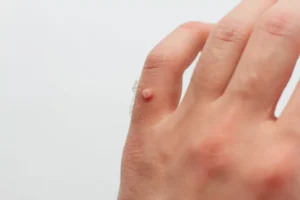
- Common Warts – These grow most often on the fingers, around the nails, and on the backs of the hands and where skin was broken. These can have black dots that look like seeds and most often feel like rough bumps.
- Plantar Warts – These grow most often on the soles of the feet and can grow in clusters. They are often flat or grow inward and can hurt, feeling like you have pebbles in your shoe. Like common warts, they can have black dots.
- Flat Warts – These can occur anywhere. Children usually get them on the face, men get these most often in the beard area, and women tend to get them on their legs. Flat warts are smaller and smoother than other warts but they tend to grow in large numbers — 20 to 100 at a time!
- Filiform Warts – These often grow quickly and look like long threads or thin fingers that stick out. They often grow on the face around the mouth, eyes, and nose.
- Periungual Warts – These grow under and around the toenails or fingernails. They can be painful and affect nail growth.
Causes
As mentioned before, warts are caused by the human papillomavirus (HPV). Most forms of HPV are spread through shared objects like towels or sheets. The virus generally spreads through cuts, scrapes, or other breaks in your skin including hangnails. Biting your nails can also spread the virus from one finger to another.
Treatment
Warts often go away on their own but some can be painful or persistent. There are a few over-the-counter treatments you can try at home such as freezing treatments and salicylic acid patches. Don’t try to treat warts at home if they are on your face or other sensitive parts of the body. You also should not treat warts on your feet if you have diabetes. Please contact your dermatologists for treatment in these cases.
If your warts do not respond to at-home treatments, your dermatologist may be able to help. According to the AADA, dermatologists can treat warts in multiple ways including:
- Cantharidin
- Cryotherapy
- Electrosurgery and curettage
- Excision
If the warts are hard to treat, your dermatologist may use one of these treatment methods:
- Laser Treatment
- Chemical Peels
- Bleomycin
- Immunotherapy
Prevention
There is no cure for warts, but you can take several steps to help prevent them. To reduce the risk of warts, avoid direct contact with warts and wash your hands regularly. Wear flip-flops in locker rooms and showers. To reduce the spreading of them, cover warts with a bandage. You should be careful when brushing hair, clipping nails, or shaving in areas that have warts. You should also avoid picking at warts because this can spread the virus to other parts of the body.
Reviews
"Dr Riddle was prompt, professional but real friendly, fixed what was wrong. She took the time to ask and answer questions. Definitely will use her from no on."
"Dr.Riddle has been my dermatologist since I was 13 and she has always made me feel understood and cared for. She’s really made a difference in my life and I encourage anyone who is looking for a great dermatologist to go to her. She’s goes above and beyond for her patients and you will not be disappointed.The staff are also always warm and welcoming."
“I’ve gone twice to this office and seen by Dr. Dolan. She is such an amazing doctor, very understanding and caring, made me feel completely comfortable and I can not recommend her enough. Everyone I met was very nice and attentive.”
“I have been patient of Dr Dolan for many years have always had excellent care and professional treatment from the doctor and staff.”